
7 Steps to Plan Private Label Charcoal Packaging
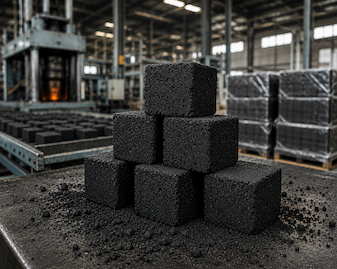
Planning private label charcoal packaging requires more than adding a logo to a box. Buyers need to coordinate product information, pack quantities, artwork, carton construction, and approval responsibilities. A detailed brief helps everyone discuss the same requirements before printing starts. These seven steps explain what to include and how to review the proposal without confusing a visual concept with a production-ready packaging specification.
1. Define the product and customer
Explain whether the pack serves shisha users, barbecue customers, hospitality buyers, or another audience. Identify the product shape, intended market, and sales channel. A retailer and a bulk distributor may need different pack sizes and different information on the outer carton.
Keep the brief focused on the actual product. Avoid borrowing performance claims from another pack simply because the design looks attractive or familiar to your target market.
2. Confirm pack weights and carton quantities
Specify the intended net product weight per pack and the number of packs per master carton. Ask the supplier to confirm the proposed dimensions and packing arrangement. Distinguish product weight from the weight of the packaging when you compare quotations or plan handling.
Record the units consistently throughout the brief. Check that the quotation, artwork, packing list instructions, and sample all describe the same quantities before you approve a commercial order.
3. Choose materials around handling needs
Discuss carton construction, inner protection, and the conditions the shipment may encounter during handling and storage. Ask for a physical sample where practical. A flat artwork file cannot demonstrate how a filled carton closes, stacks, or responds to normal handling.
For private label charcoal packaging, compare the proposed materials with your distribution needs. Ask which checks the supplier can perform and agree the acceptance criteria in writing. Do not assume that a photo of a strong-looking carton proves its performance.
4. Prepare clear artwork and text
Provide the logo, colour references, required languages, and print-ready artwork files in the format the printer requests. Keep product descriptions readable and make space for any markings your destination market requires. Ask the relevant adviser or importer to confirm those requirements before printing.
Check spelling, measurements, contact information, and barcode placement carefully. Avoid unsupported claims about certification, safety, origin, or product performance. A packaging proof should communicate accurate information as well as presenting the product clearly.
5. Agree on a proof and approval sequence
Ask for a proof that shows every printed panel and identifies the artwork version. Review it against the written brief, then record who has authority to approve it. If the printer changes a measurement, colour treatment, or text element, request an updated proof before approval.
Treat private label charcoal packaging as a controlled approval process. Keep dated files and avoid sending several conflicting versions through different message threads. Everyone should know which file represents the final decision.
6. Confirm costs, quantities, and timing
Request a quotation that separates the relevant packaging costs and explains any minimum order quantity. Ask about artwork preparation, printing setup, samples, and the effect of changes after approval. Confirm the production sequence and the dependencies behind any proposed completion date.
Discuss what happens to unused printed materials and who manages repeat orders. A clear agreement on these practical details helps prevent unexpected costs when demand changes or the next shipment requires a different pack format.
7. Inspect the finished pack against the brief
Check a finished sample for text accuracy, print appearance, closure, quantities, and consistency with the approved proof. Review the inner pack and master carton together. Document any differences and agree the next step before the team proceeds with the full packing run.
A complete private label charcoal packaging brief creates a reference for purchasing, design, and inspection. Keep the approved artwork, material details, quantities, and inspection notes together so future orders can follow the same requirements or document a deliberate change.